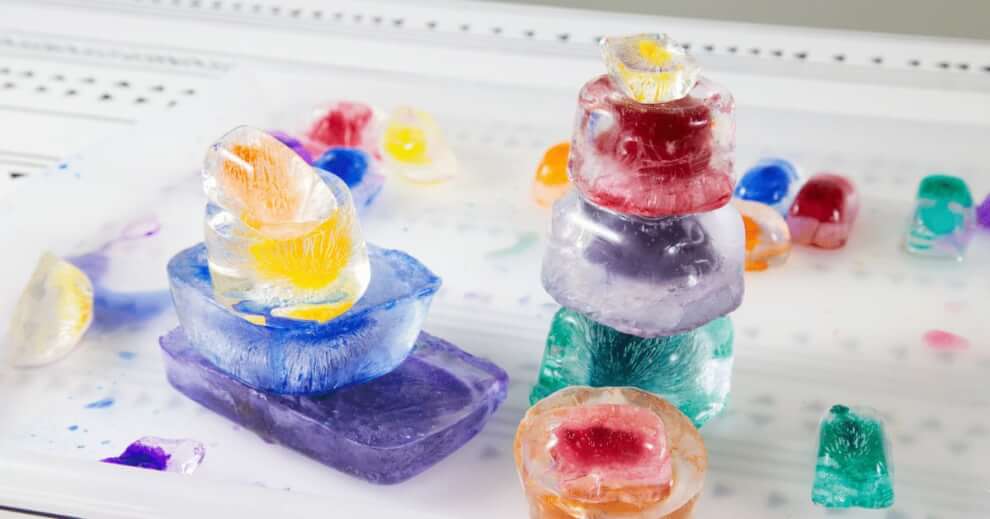
Stacked Ice Sculptures (Ice Inukshuks)
These colourful stacked ice sculptures are a fun blend of art and simple science. Kids can build their own icy inukshuks using frozen blocks, then observe how the colours mix and the shapes change as the ice melts. A great hands-on winter activity for encouraging creativity and exploration. Learn How

Snow Storm In a Jar
Help kids create a snowstorm in a jar using simple materials and some fascinating chemistry. This is a perfect snow day science experiment or classroom activity, this science experiment will keep kids of all ages engaged and learning. Learn How

Make Your Own Crystal Snowflakes
Create bright crystal snowflakes using borax and pipe cleaners. Kids get hands-on experience with crystallization as they watch the shapes form overnight. This is a great indoor STEM activity for ages 5+ and works well for classrooms or snow-day learning. Learn How

Ice Chalk DIY Recipe: A Frozen Sensory Sidewalk Art Project
Create vibrant frozen chalk sticks using water and washable paint, then bring them outside for a colourful winter art session. Kids love how the icy texture glides differently than regular chalk, and it doubles as a simple sensory science activity as the chalk melts while they draw. Learn How
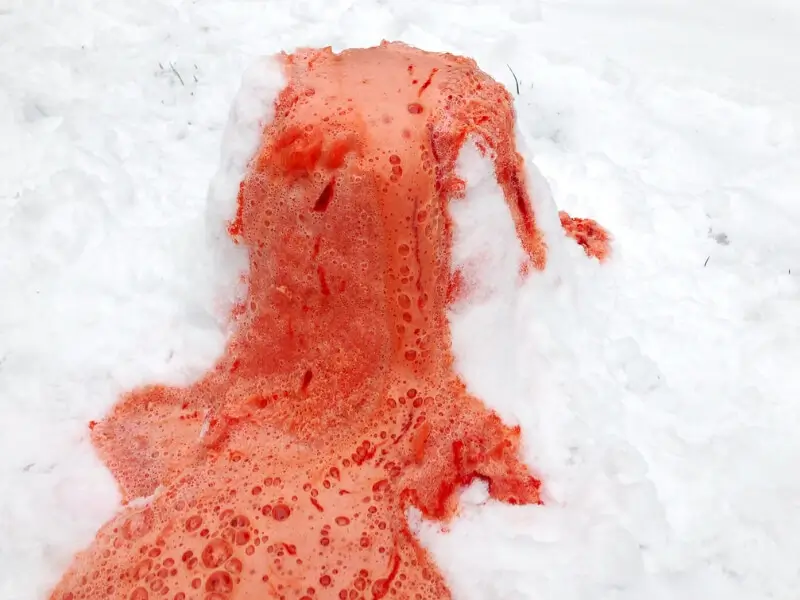
Erupting Snow Volcano
Turn snow and baking soda into a fizzy, erupting volcano right in your yard or on your deck. Kids will love watching the colourful “lava” bubble up while exploring chemical reactions and learning how acids and bases interact. A fun winter twist on a classic science experiment. Learn How

Snowflake Lab: A Winter Science Challenge for Kids
Create snowflakes indoors with this simple snowflake lab activity. Kids experiment with swirling “snow,” observe how the materials react, and learn basic science concepts through hands-on play. A great winter boredom buster that works for a wide range of ages. Learn How

Super Bouncy Snowballs Recipe
Kids will love making their own bouncy “snowballs” with this clever winter science activity. As they mix and shape the ingredients, they learn about texture, reactions, and how different materials behave. A fun hands-on project that’s perfect for snowy afternoons indoors. Learn How
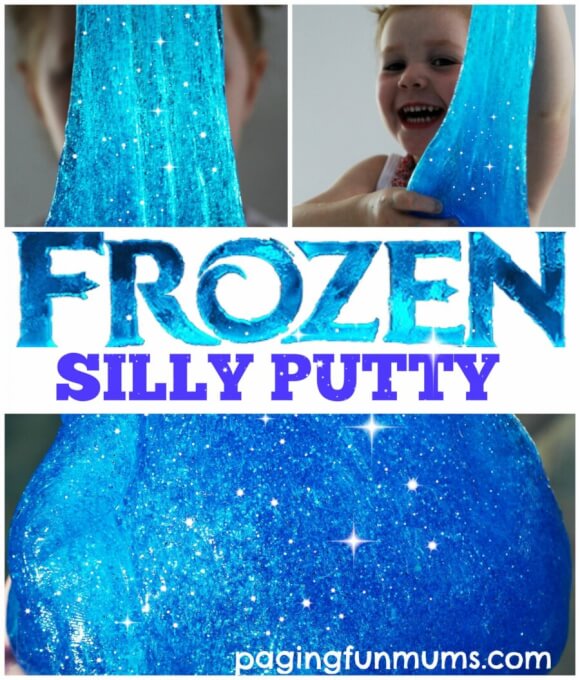
FROZEN™ Silly Putty
Add a wintery spin to classic silly putty with this Frozen™-inspired recipe. Kids stay busy mixing, kneading, and playing while developing fine motor skills and sensory awareness. A simple, low-prep activity that works well for holiday playdates or quiet afternoons at home. Learn How

How to Make Fake Snow
Make your own indoor snow with these easy DIY recipes! Kids can test out different methods, explore how each mixture feels, and create their own snowy scenes or sensory bins. A great low-prep activity for days when you want winter fun without heading outside. Learn How

Instant Ice Experiment
Watch kids’ eyes light up as water freezes almost instantly in this fun winter science experiment. Using only water, children can explore temperature and freezing in a hands-on way that feels like a science trick — perfect for quick demos or curious learners. Learn How

How To Make Ice Lanterns
Create glowing ice lanterns using water, colour, and a little winter patience. This activity gives kids a chance to experiment with freezing and melting while making something they’ll be proud to display outside. A great winter project for families or classrooms. Learn How
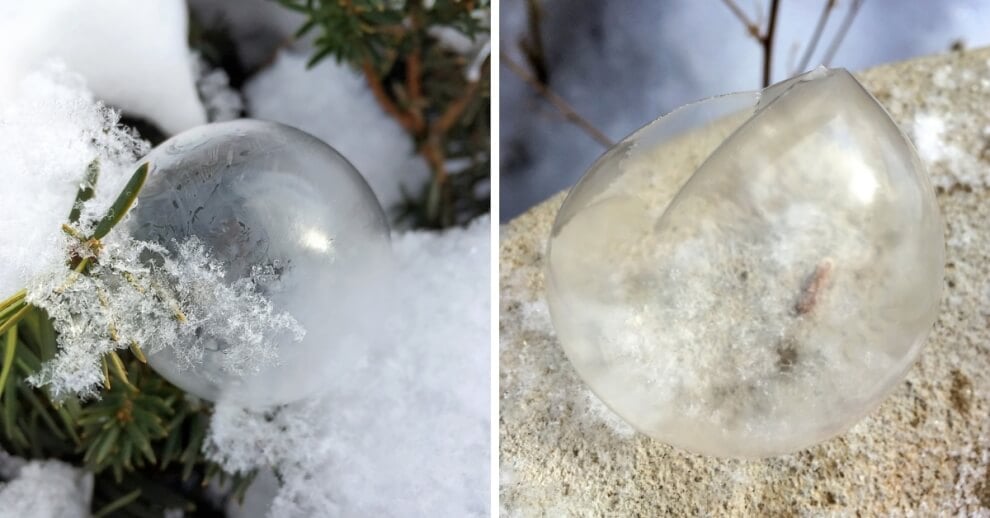
How to Make Frozen Bubbles
This frozen bubble activity turns a classic favourite into a winter science experience. Using a homemade bubble solution, kids can blow bubbles outside and observe how they freeze and change in cold temperatures. A fun way to combine outdoor play with simple science learning. Learn How

Melting Ice Experiment & Ice Sculptures
This colourful melting ice experiment turns a simple science concept into a creative activity. Kids use salt and colour to melt tunnels through ice, observing how temperature and materials affect melting as they create beautiful ice sculptures along the way. Learn How