
Dealing with a picky eater? You’re certainly not alone! Many toddlers and young children go through phases when they refuse certain foods, insist on eating the same meals or suddenly decide they no longer like something they happily ate last week.
While picky eating can make family mealtimes frustrating, it’s often a normal part of childhood development. With a little patience, creativity and a relaxed approach, you can help your child explore new foods and build healthy eating habits.
Here are 10 simple tips to make feeding picky eaters a little easier.
1. Keep Mealtimes Relaxed
Try to avoid turning meals into a battle. Pressuring children to finish their plates, take extra bites or eat foods they dislike can make mealtimes more stressful.
Instead, offer a variety of foods and allow your child to decide what and how much they’d like to eat from what’s provided. Your job is to offer balanced meals and snacks; their job is to listen to their hunger and fullness cues.
2. Offer New Foods Alongside Familiar Favourites
Introducing new foods can feel less overwhelming when they’re served alongside something your child already enjoys.
Start with small portions and don’t worry if your child isn’t interested right away. It can take many opportunities to become comfortable with an unfamiliar food, and simply looking at, touching or smelling it can be part of the learning process.
3. Make Fruits and Vegetables Fun
Try serving vegetables in different ways to see what appeals to your child. Some kids prefer crunchy raw vegetables, while others enjoy them roasted, steamed or blended into soups.
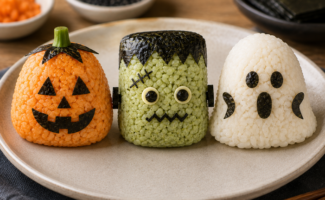
Colourful fruit and vegetable platters, fun shapes and bite-sized pieces can make foods more inviting. Just remember to prepare everything in age-appropriate sizes to avoid choking hazards.
4. Let Kids Dip Their Food
Dips can make trying new foods more appealing! Offer hummus, yogurt-based dips or other family favourites alongside vegetables, fruit, crackers or pita.
Let your child experiment with different combinations. Sometimes the fun of dipping is enough to encourage a little exploration.
5. Get Kids Involved in the Kitchen
Children are often more interested in foods they’ve helped prepare.
Invite younger kids to wash vegetables, stir ingredients or arrange food on a plate. Older children can help choose recipes, measure ingredients and prepare simple meals with supervision.
Even letting your child choose between two vegetables at the grocery store can help them feel more involved.
6. Try Growing Something Together
Growing herbs, vegetables or fruit can be a fun way to introduce children to different foods.
You don’t need a big garden! A small pot of cherry tomatoes, herbs or lettuce on a sunny patio can provide plenty of opportunities to learn about where food comes from.
Kids may be more curious about tasting something they’ve helped grow and harvest.
7. Offer Regular Meals and Snacks
Children often do better with a predictable routine of meals and snacks throughout the day.
Try to avoid constant grazing, which can make it difficult for kids to recognize when they’re hungry at mealtimes. Offer a variety of satisfying foods and allow your child to decide how much they need.
Remember that appetites naturally vary from day to day, especially during the toddler years.
8. Be a Positive Role Model
Children learn a lot by watching the people around them. Eating together as a family, when possible, gives kids opportunities to see others enjoying different foods.
Talk positively about the foods you’re eating without pressuring your child to try them. Sharing meals with siblings, friends or other family members can also help make unfamiliar foods feel more approachable.
9. Make Healthy Snacks Easy to Choose
Keep a selection of simple snacks available so there’s always something nutritious and familiar to offer.
Some easy options include:
- Fresh fruit or soft, age-appropriate fruit pieces
- Cheese and whole grain crackers
- Yogurt with berries
- Hummus with pita
- Toast with seed butter
- Homemade muffins
- Vegetables with a favourite dip
For toddlers and younger children, always consider choking risks and supervise eating.
10. Be Patient and Celebrate Small Steps
Learning to enjoy new foods takes time. Some children are naturally more cautious about unfamiliar tastes, smells and textures.
Rather than focusing on how much your child eats, celebrate their curiosity and willingness to explore. Touching a new food, helping prepare it or allowing it on their plate can all be positive steps.
Avoid labelling children as “picky” at the table, and remember that food preferences can change as they grow.
Making Mealtimes More Enjoyable
Feeding young children doesn’t have to be a constant struggle. By offering variety, keeping expectations realistic and creating a positive atmosphere around food, you can help your child develop a healthier relationship with eating.
If your child has persistent difficulty eating, regularly gags or chokes, has a very limited range of accepted foods, or you’re concerned about their growth or nutrition, speak with your child’s healthcare provider or a registered dietitian experienced in pediatric feeding.
For more information about healthy eating for children, visit Canada’s Food Guide.